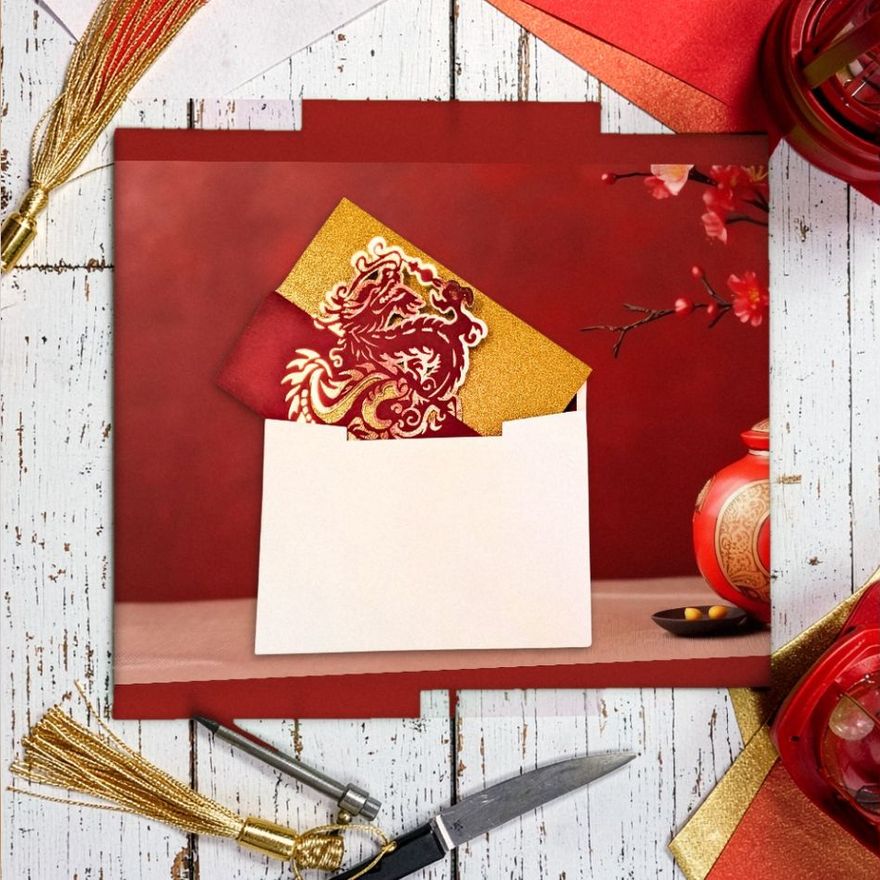
To make good handmade cards you need less than a craft store suggests: cardstock in two weights, a way to score clean folds, a paper trimmer or craft knife, two or three adhesives, and envelopes that fit. A cutting machine is a welcome extra for detailed pop-ups and layered designs, but it is not where you have to start. Here is what each supply does, which specs to look for, and what you can safely skip.
Cardstock: The One Thing Worth Getting Right
Cardstock weight decides whether a card stands up, folds cleanly and survives the mail. US weights are given in pounds, internationally in grams per square meter (gsm). The higher the number, the heavier and thicker the sheet.
Cricut's cardstock guide draws the lines like this:
| Category | US weight | gsm | Best card-making use |
|---|---|---|---|
| Paper | Up to 50 lb | Up to 120 | Inserts to write on, test prints |
| Light cardstock | 65 lb | 176 | Pop-up mechanisms, layers, printing at home |
| Medium cardstock | 80 lb | 216 | Card bases, shaker panels, most cutting |
| Heavy cardstock | 100 lb | 270 | Explosion box bases, sturdy flat cards |
For a sense of thickness, paper maker Neenah lists its Astrobrights 65 lb cover at about 9.4 points (0.0094 inch) and 80 lb cover at about 11.6 points. Its 110 lb cotton cover is 297 gsm and about 21.5 points, nearly twice as thick as 80 lb.
A simple starting stock: a pack of white or cream 80 lb cardstock for bases, a pack of 65 lb in assorted colors for layers and pop-ups, and a few sheets of patterned paper.
Solid core or white core: in solid-core cardstock the color runs all the way through, so cut edges and folds stay the same color. Cricut points out that even its lighter value cardstock has a solid core. White-core colored stock shows a pale line along cuts and score lines, which some designs use on purpose.
Smooth or textured: both cut well. Texture affects writing: Cricut notes that rollerball and gel pens need some friction and may not perform as well on very smooth paper, while textured surfaces can need more ink for an even line. Test your pen on a scrap before writing the message.
Sheet size: letter-size sheets (8 1/2 x 11 inches) are the easiest to find and fit home printers. Cut one in half and fold it, and you get a 4 1/4 x 5 1/2-inch card, the A2 size. Square 12 x 12-inch sheets, sold for scrapbooking, are what you need for larger pieces like the base of an explosion box.
Tools for Scoring and Folding
A score line is a crease pressed into the paper before folding. It is the difference between a crisp fold and a cracked, wandering one.
- Scoring board: a plate with grooves at regular intervals and a stylus. The fastest way to score many cards to the same size.
- Bone folder: a flat smoothing tool. Run its tip along a ruler to score, then use its side to sharpen the fold.
- Cutting machine scoring tool: scores while the machine cuts, so fold lines are always in the right place.
Fold into the score: the indented groove goes on the inside of the fold. Cricut's instructions for its double scoring wheel warn that folding against the crease can crack coated or heavy stock.
Cutting Tools
- Paper trimmer: the single most useful purchase after cardstock. It gives square edges and repeatable sizes.
- Craft knife and self-healing mat: for windows, slits in pop-ups and small details. Change blades often; a dull blade tears cardstock instead of cutting it.
- Metal ruler: a cork-backed one stays put while you cut.
- Small sharp scissors: for curves and trimming foam tape.
Adhesives: Three Kinds Cover Almost Everything
| Adhesive | Use it for | Avoid it for |
|---|---|---|
| Liquid glue with a fine tip | Pop-up tabs, small layers, anything that needs a moment to adjust | Large flat panels (it can wrinkle thin paper) |
| Tape runner | Mats, panels, inserts | Moving parts under stress |
| Foam tape or foam squares | Lifting layers, shaker frames, slider spacers | Pop-up mechanisms that must fold flat |
Foam adhesive comes in several thicknesses. Therm O Web's iCraft range, for example, includes 1/16-inch and 1/8-inch foam squares and tape. Use the thinner one for subtle layering and mailed cards, and the thicker one for shaker pockets. Our shaker card tutorial explains how thickness affects postage.
Glue dots are handy for embellishments like buttons or sequins, and a small bottle of clear-drying craft glue covers anything else.
Cutting Machines: Optional, but Useful
A cutting machine is worth it if you love layered 3D cards, detailed pop-ups or making many copies of the same card. It cuts intricate shapes from SVG files, scores fold lines and can write or draw.
If you use one, you will also need the right mat. Cricut color-codes its machine mats: LightGrip (blue) for light cardstock such as 65 lb, StandardGrip (green) for medium cardstock such as 80 lb, and StrongGrip (purple) for heavy, glitter and specialty cardstock. Its full-size mats come in 12 x 12 and 12 x 24 inches. Cricut also sells card mats that hold a folded card so only the front is cut. Our guide to Cricut card making goes into all of this.
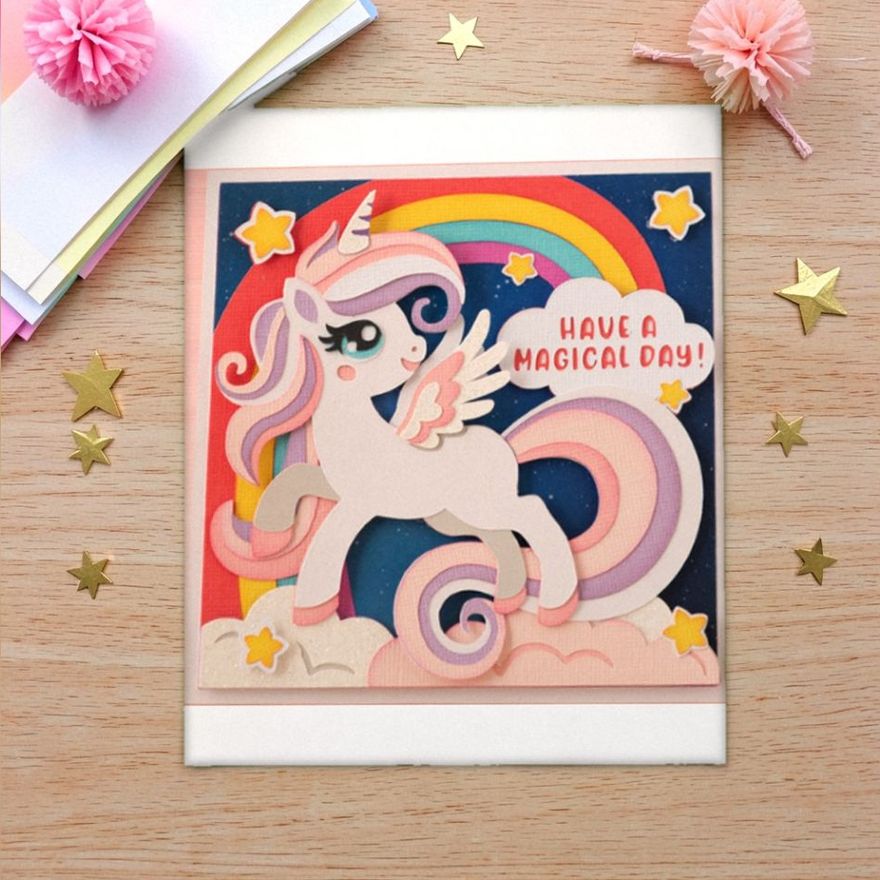
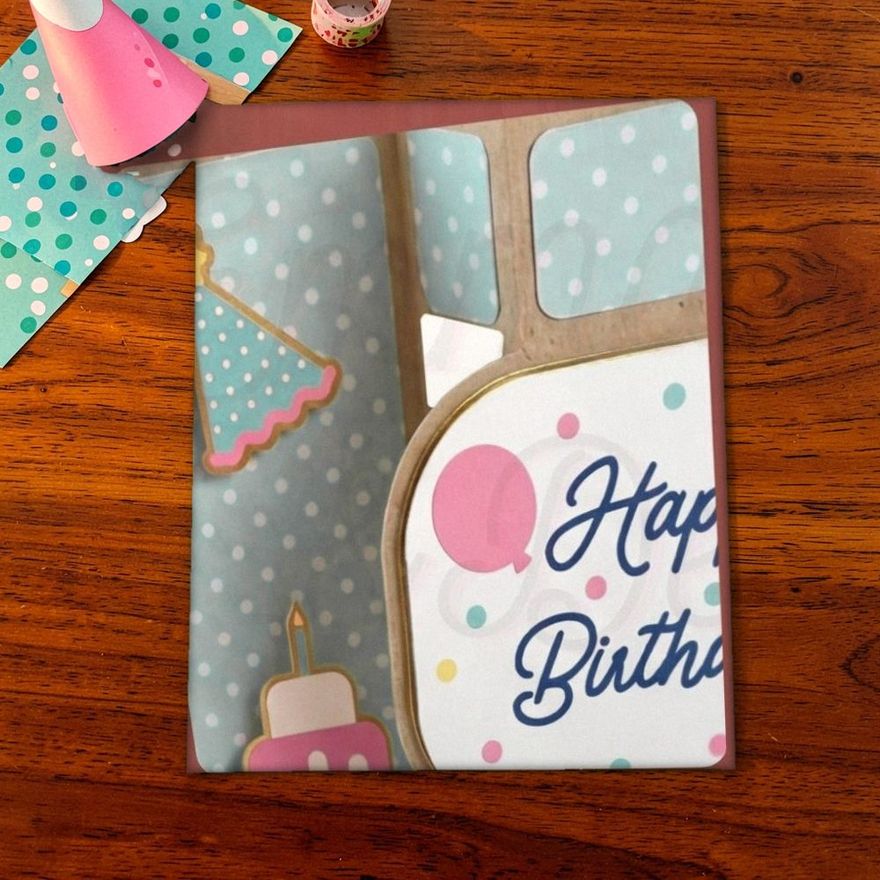
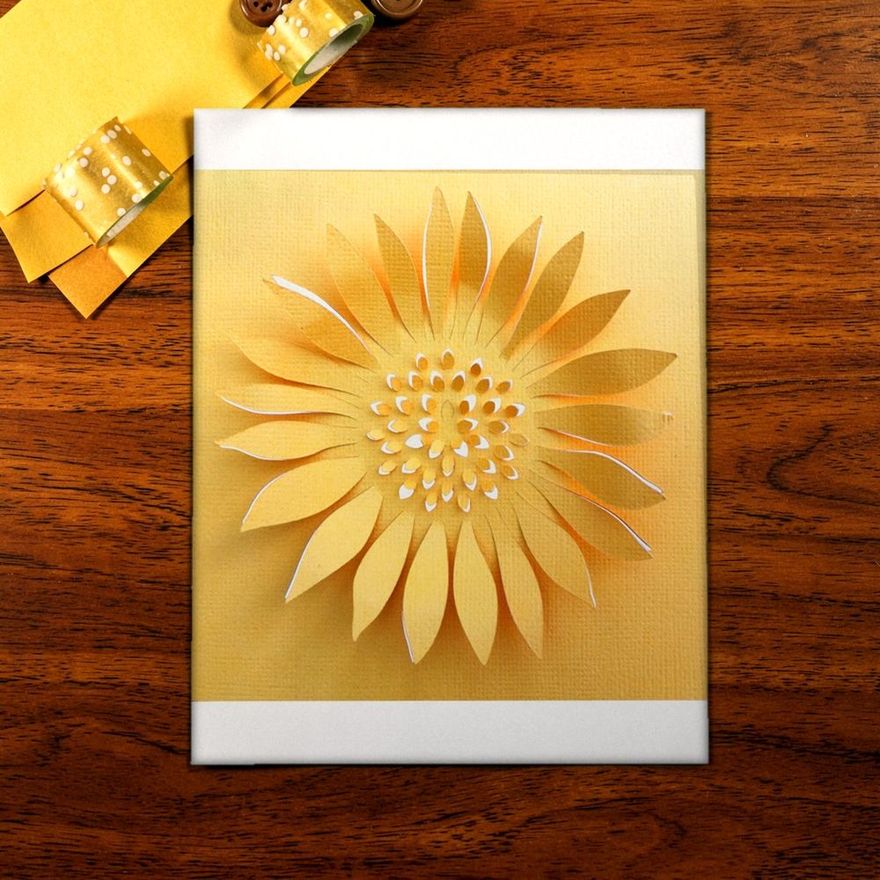
SVG cut files suit machine owners best, while printable files work with scissors and a craft knife. Detailed layered designs like these are where a machine saves the most time:
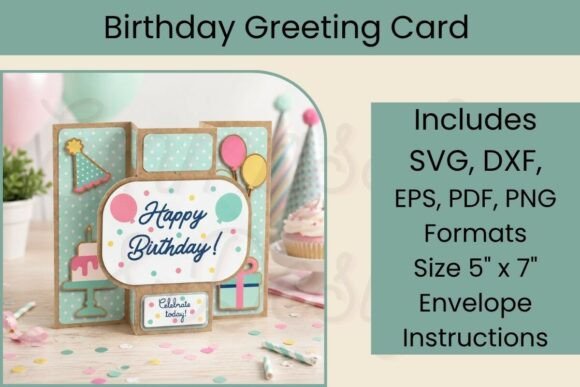
3D Birthday Card SVG
See the listing ↗
Sunflower 3D Card SVG Cut File
See the listing ↗
Chinese Dragon Card 3D SVG Template
See the listing ↗From the collection 3D & Layered Cards. New Creative Fabrica members get 10 free downloads, and any of these can be one of them.
Envelopes
Buy envelopes before you settle on a card size, not after. Envelope maker LCI Paper's rule of thumb is an envelope 1/8 to 1/4 inch larger than the card. The two most useful sizes:
- A2 envelope: 4 3/8 x 5 3/4 inches, for a 4 1/4 x 5 1/2-inch card.
- A7 envelope: 5 1/4 x 7 1/4 inches, for a 5 x 7-inch card.
Square envelopes and very thick cards cost more to mail. The full size chart and the postage rules are in card sizes and envelopes.
Sentiments and Inserts
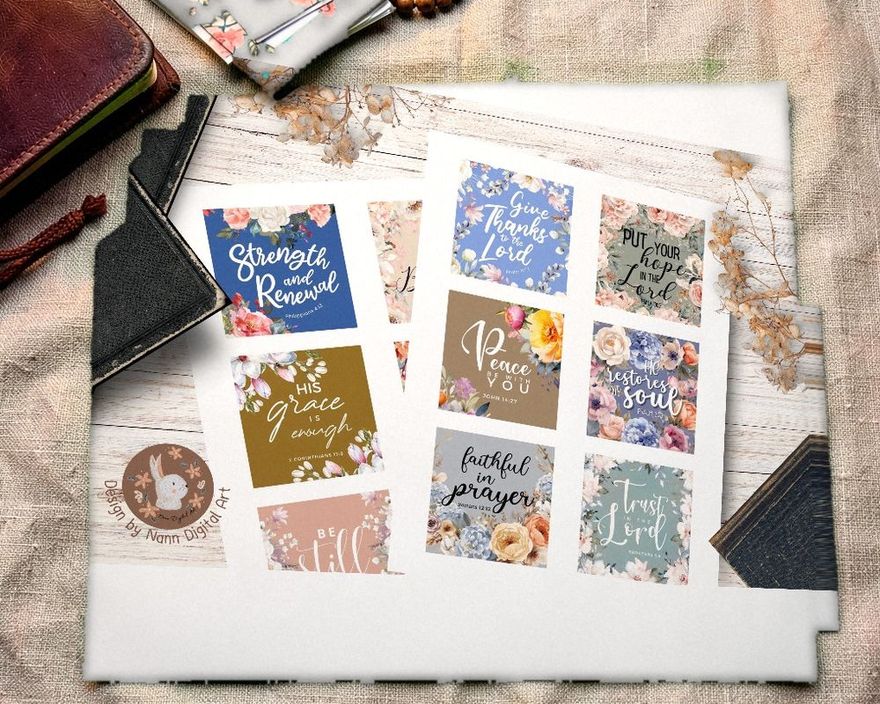
The words are part of the card, and a few supplies help them look tidy: a fine-tip black pen, a white gel pen for dark cardstock, printed or cut sentiments, and plain inserts glued inside the card so you can write on smooth paper even when the card itself is textured. Ready-made sentiment and insert files are a shortcut when your handwriting is not cooperating:
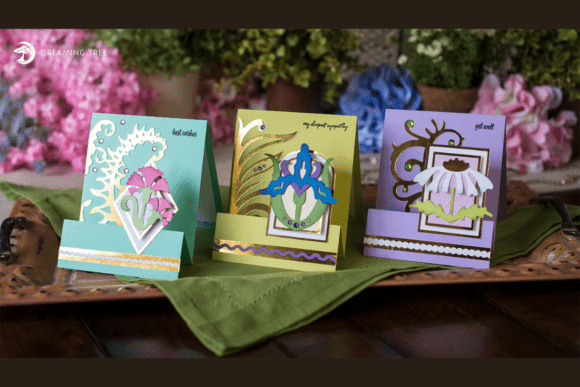
Sentiment Cards SVG Bundle
See the listing ↗
Music Notes Birthday Insert Card Svg Cut
See the listing ↗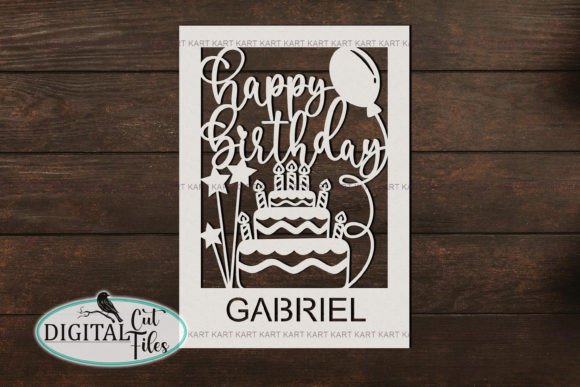
Personalized Insert Birthday Card Cricut
See the listing ↗From the collection Card Sentiments & Inserts. New Creative Fabrica members get 10 free downloads, and any of these can be one of them.
What You Can Skip at First
- Embossing folders, heat tools, stamp sets and specialty inks: lovely, but not needed for pop-up, shaker or layered cards.
- Huge cardstock bundles in every color: start with neutrals and a few favorites.
- Every size of foam square: one thin and one thick foam tape cover most projects.
Supplies to Start With
The sections above come down to a handful of purchases: card, a trimmer, a way to score, glue and envelopes.
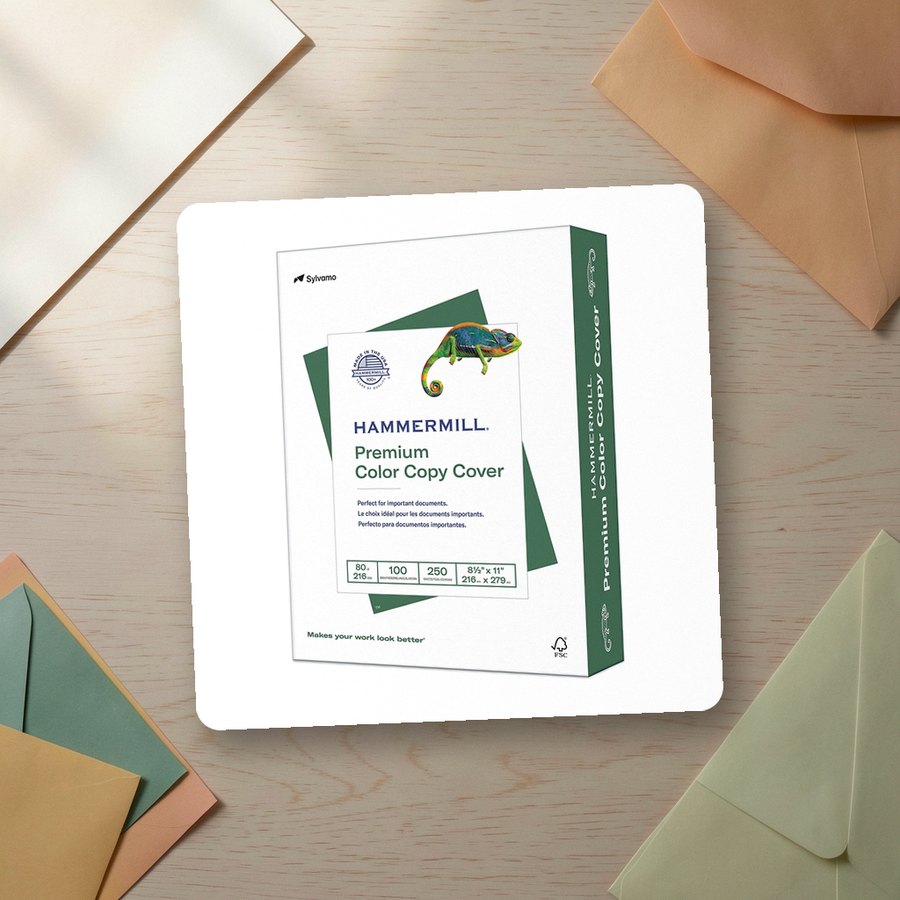 White cardstock, 80 lb coverHammermillSee it on Amazon
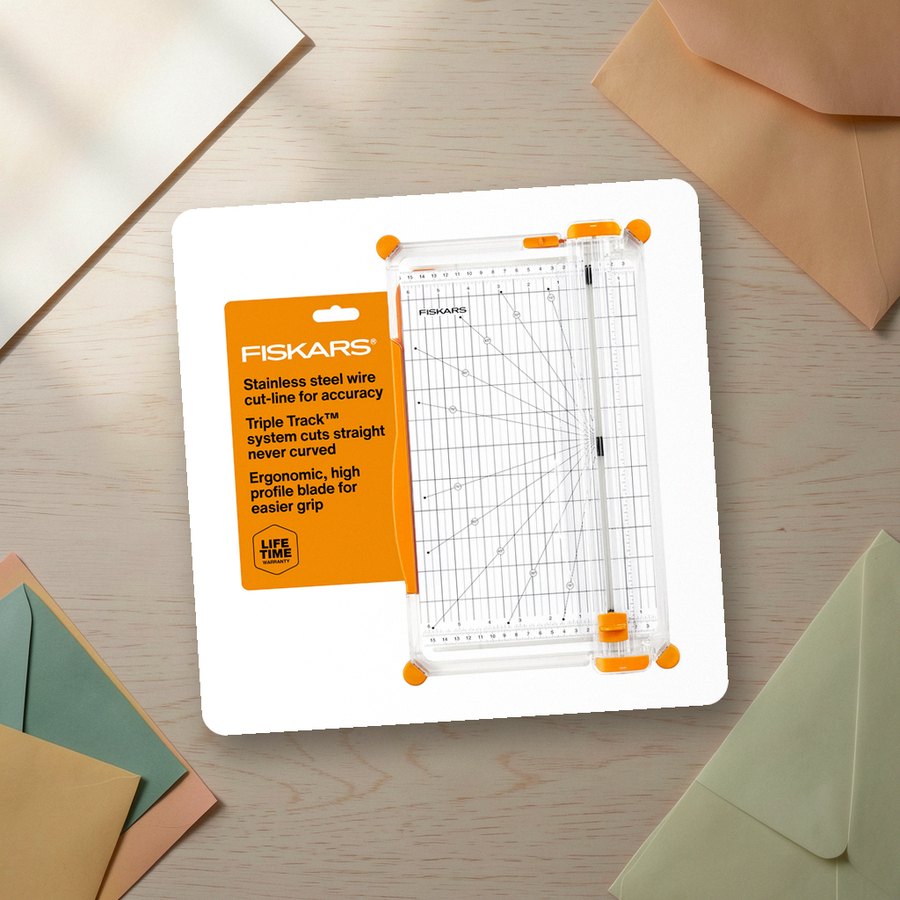 12-inch paper trimmerFiskarsSee it on Amazon
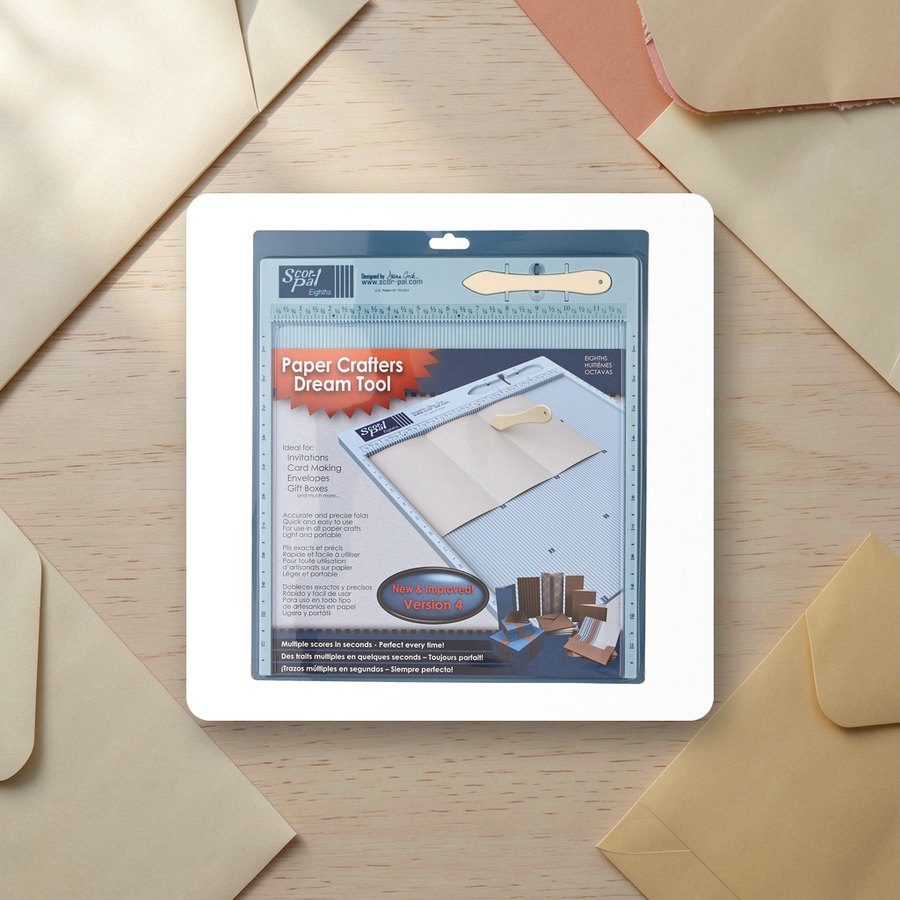 Scoring board, 12 x 12Scor-PalSee it on Amazon
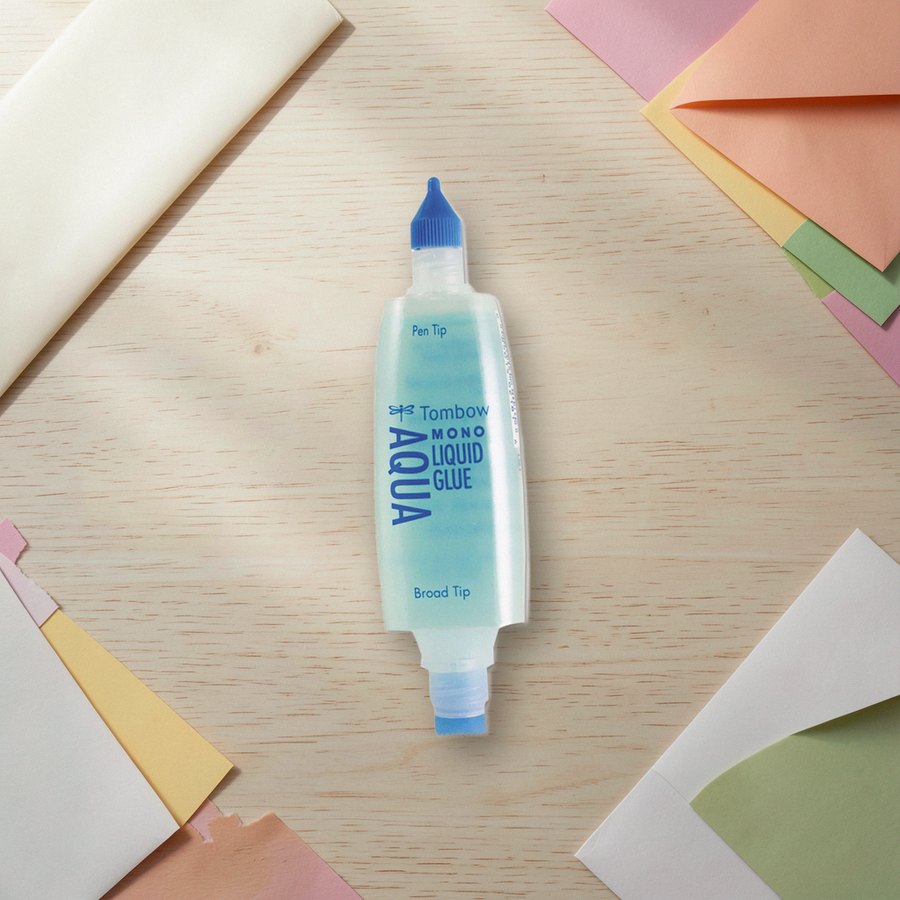 Liquid glue with fine and broad tipsTombowSee it on Amazon
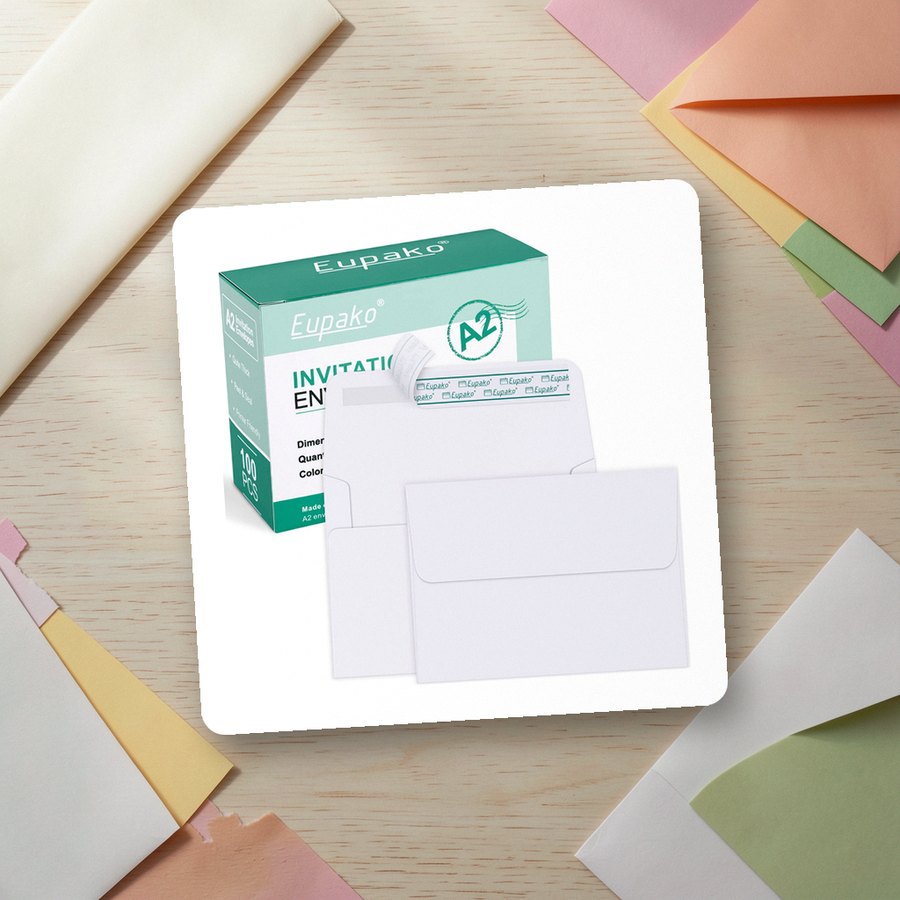 White A2 envelopesEupakoSee it on Amazon
As an Amazon Associate we earn from qualifying purchases.
Your Starter List
80 lb and 65 lb cardstock, a trimmer, a scoring board or bone folder, liquid glue, a tape runner, one roll of foam tape, A2 envelopes and a good pen. That is enough to make every card in our guides, starting with how to make a pop-up card. Then browse the card sentiments and inserts collection for the finishing words.
Templates to Try With This Guide
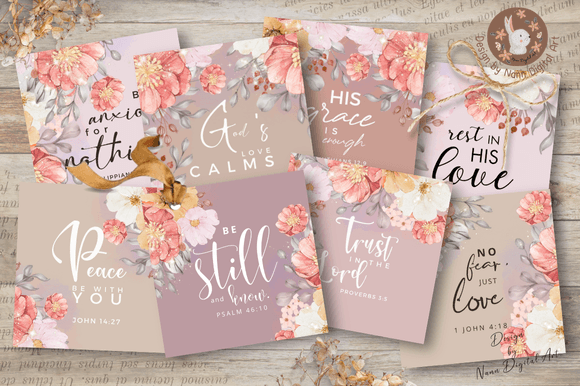 Card Sentiments & Inserts11 hand-picked · open the collection →
 3D & Layered Cards16 hand-picked · open the collection →